引言:为什么新疆值得列入旅行清单
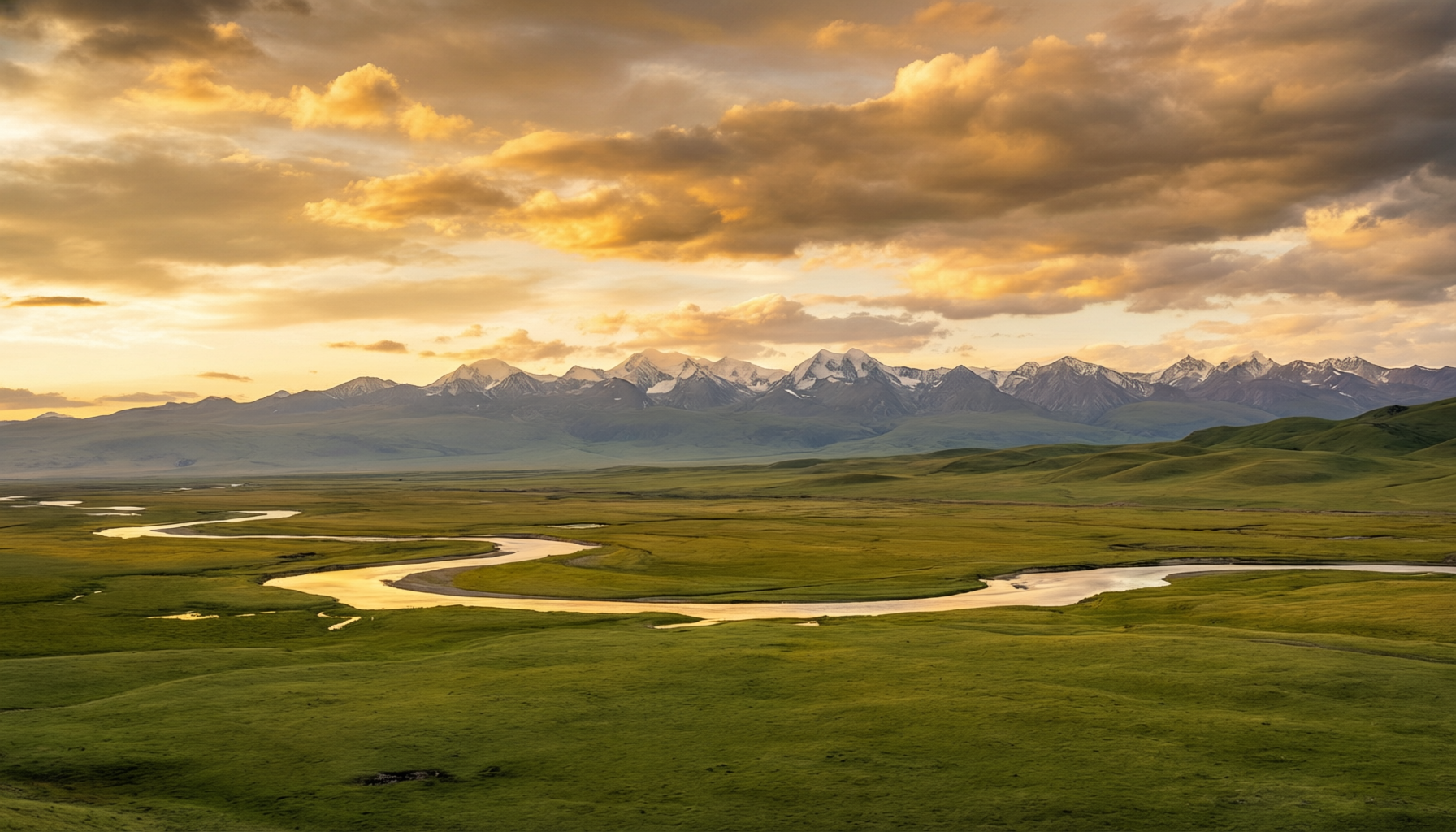
新疆是中国面积最大的省级行政区,约占国土总面积的六分之一。为了更直观地理解:它的面积超过阿拉斯加,大于大多数西欧国家的总和,拥有极其丰富的地貌——一天之内驾车穿越,仿佛跨越了完全不同的国度。从塔克拉玛干沙漠灼热的沙丘到天山山脉白雪皑皑的山峰,从喀纳斯湖碧绿的湖水到那拉提草原无垠的翠绿,新疆是一个颠覆所有预期的地方。
What truly sets Xinjiang apart from anywhere else in China, however, is not just its geography but its people. The region is home to 47 ethnic groups, including Uyghur, Kazakh, Kyrgyz, Tajik, Hui, Mongolian, and Han Chinese communities, each with their own languages, traditions, music, and cuisine. Walking through the Sunday livestock market in Kashgar, sharing a pot of salted milk tea with a Kazakh herding family in the Altay Mountains, or listening to the haunting call to prayer echo across the rooftops of a Uyghur village — these are experiences that simply cannot be replicated elsewhere.
"新疆不仅仅是一个目的地,更是一场感官的洗礼。这里的山河重塑你对尺度的认知,这里的人文相遇刷新你对真实中国的理解。" —— 丝路博旅团队
当然,在新疆旅行确实需要比去北京或上海更多的准备。路途遥远、基础设施各异、文化背景多元。本指南汇集了首次到访者所需了解的一切,凝聚了我们多年组织该地区高端旅行积累的实战经验。
核心要点
- 新疆面积166万平方公里——主要景点间需规划长途驾车或国内航班
- 9月和10月风景最为上镜,气温也最为宜人
- 夏季(6至8月)和国庆黄金周(10月1日至7日)需提前2至3个月预订住宿
- 请随身携带护照,高速公路上设有安检站
最佳出行时间
春季(4月至5月)
Spring in Xinjiang arrives slowly and beautifully. The headline event is the apricot blossom season in the Yili Valley, typically peaking in early to mid-April. Entire hillsides explode in pink and white, and the air smells faintly sweet. Wildflowers begin emerging across the foothills, temperatures are mild at 15–25°C, and tourist crowds are still thin. This is arguably the best window for photography, since the light is soft, the landscapes are fresh and green, and you will not be fighting for elbow room at popular viewpoints. The downside is that higher-altitude roads, including the Duku Highway, remain closed due to snow.
夏季(6月至8月)
Summer is peak season for good reason. The lavender fields around Huocheng bloom in June, rivaling anything in Provence. The Nalati and Bayanbulak grasslands are at their lushest, dotted with Kazakh yurts and grazing horses. Most importantly, the legendary Duku Highway — one of the most spectacular mountain drives in the world — opens from June through October, cutting through the heart of the Tianshan range over passes exceeding 3,400 meters. Temperatures in the lowlands range from 25–35°C, though mountain areas stay comfortably cool. The trade-off is that prices rise, popular sites get crowded, and you need to book accommodation and transport well in advance.
秋季(9月至10月)
For many seasoned Xinjiang travelers, autumn is the gold standard. Kanas Lake in northern Xinjiang transforms into a canvas of golden birch and larch forests reflected in crystalline water, and the Hemu and Baihaba villages look like scenes from a fairy tale with their log cabins wreathed in morning mist. In the south, the Turpan grape harvest is in full swing, and you can taste dozens of varieties straight from the vine. Temperatures are ideal at 10–25°C. The only caveat is China's National Day holiday (October 1–7), when domestic tourism surges and prices double. Travel in late September or after October 8 to avoid the crush.
冬季(11月至次年3月)
| 季节 | 气温范围 | 亮点 |
|---|---|---|
| 春季(4-5月) | 15–25°C | 杏花、野花、摄影 |
| 夏季(6-8月) | 25–35°C | 薰衣草、独库公路、草原 |
| 秋季(9-10月) | 10–25°C | 喀纳斯金秋、葡萄丰收、秋高气爽 |
| 冬季(11-3月) | −30 to 0°C | 粉雪滑雪、冰封喀纳斯、大幅优惠 |
新疆交通出行
国内航班
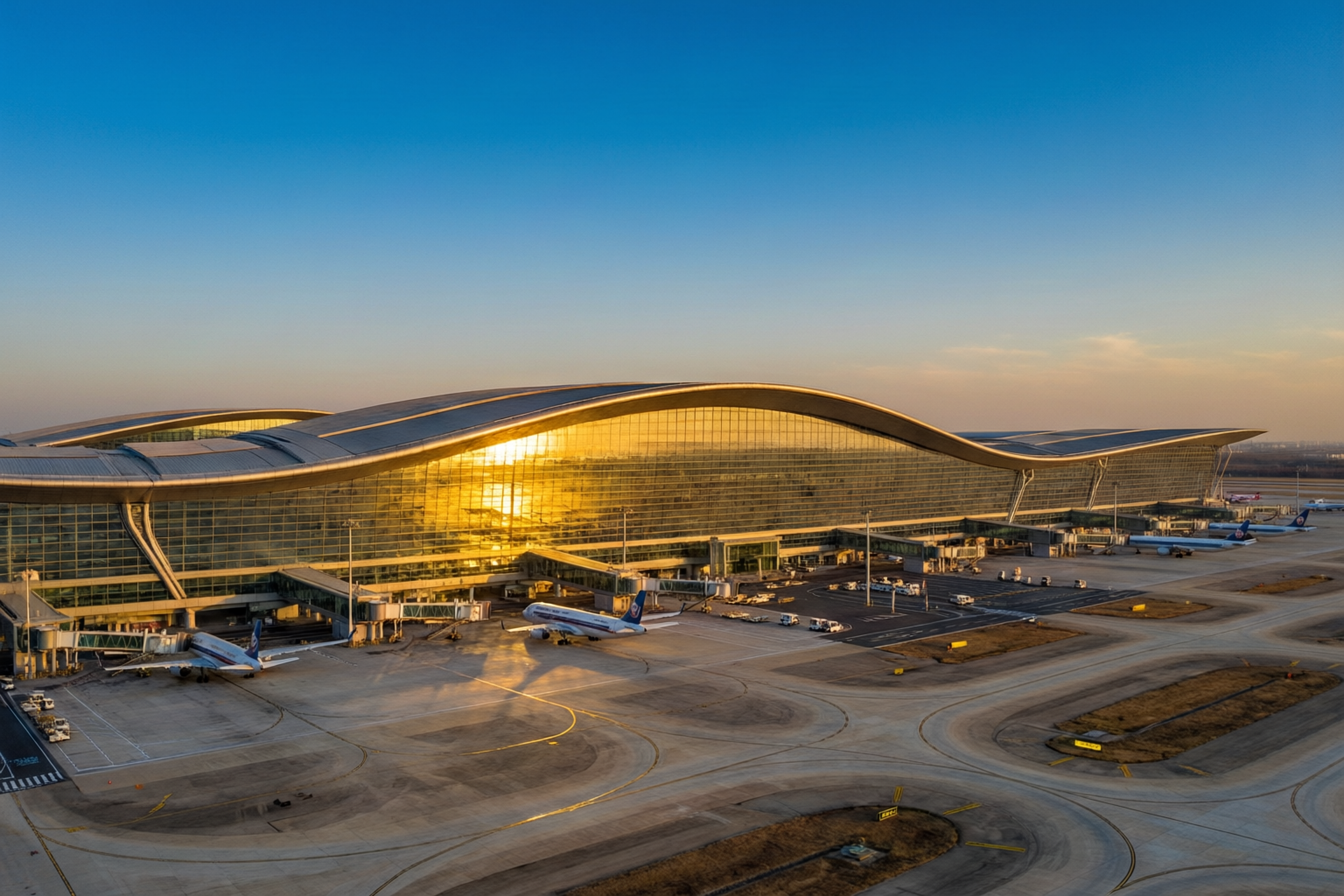
快速跨越长距离,国内航班不可或缺。乌鲁木齐地窝堡国际机场是枢纽,定期航班连接新疆各主要目的地:
- Urumqi to Kashgar: approximately 2 hours, multiple daily flights
- Urumqi to Altay: approximately 1.5 hours, daily flights
- Urumqi to Kanas: approximately 1 hour, seasonal flights (summer/autumn)
- Urumqi to Yining (Ili): approximately 1.5 hours, daily flights
- Urumqi to Korla: approximately 1 hour, daily flights
南方航空运营大多数航线,春秋航空提供经济型选择。建议尽早预订以获得最优票价,旺季尤其如此。
火车
China's rail network reaches into Xinjiang, though journeys are long. The high-speed rail from Urumqi to Lanzhou takes about 10 hours and connects to the rest of the national network. Urumqi to Hami is roughly 3 hours by high-speed train. For Kashgar, the standard train from Urumqi takes around 18 hours but offers a sleeper berth experience that many travelers find memorable. The overnight train passes through dramatic desert and mountain scenery, and the soft sleeper compartments are comfortable and private.
包车带司机
For most SilkRoad Boutique itineraries, a private car with a professional local driver is the recommended way to travel. This provides maximum flexibility, comfort, and access to scenic routes where public transport simply does not exist. The Duku Highway, the Karakoram Highway, and countless rural roads between villages have no bus or train service. A good driver also serves as an informal guide, knowing where to stop for the best views, the freshest food, and the most interesting local encounters. Expect to pay ¥600–1,000 per day for a vehicle with driver, depending on the route and vehicle type.
自驾
自驾可行,但面临实际挑战。偏远地区加油站间距可能超过200公里。路况差异极大——从崭新的高速公路到崎岖的山间土路。GPS信号可能不稳定,路标以中文为主。需要中国驾照(国际驾照不被接受)、可靠的车辆以及长时间驾驶的体力。对于经验丰富的公路旅行者来说,驾车穿越独库公路或塔克拉玛干沙漠公路确实令人热血沸腾——但这绝非轻松之旅。
交通小贴士
- 长距离(乌鲁木齐至喀什)乘飞机,景区内包车游览风景线路
- 夏季和国庆黄金周航班至少提前2个月预订以获得最优票价
- 4小时以上的车程请随身携带零食、饮用水和充电宝
- 离开城市前下载离线地图——山区和沙漠地带手机信号中断
住宿选择
过去十年间,新疆的住宿条件有了显著提升。主要城市拥有国际标准酒店,偏远景区则发展出别具一格的特色住宿体验。不过品质参差不齐,了解不同价位的预期有助于合理规划行程。
奢华住宿(800-3000元/晚)
In Urumqi, you will find familiar international brands: the Hilton Urumqi, Sheraton Urumqi, and JW Marriott all offer modern amenities, excellent service, and English-speaking staff. These properties feature full-service restaurants, fitness centers, and concierge services that can arrange day trips and local experiences. In Kashgar, the Radisson Blu and a handful of upscale boutique properties provide a comfortable base for exploring the Old City. Expect prices at the higher end during summer and National Day.
精品与特色住宿(300-800元)
This is where Xinjiang really shines. The Kashgar Old City has a growing number of beautifully restored guesthouses set in traditional Uyghur courtyard homes, with carved wooden columns, colorful tile work, and rooftop terraces overlooking the ancient neighborhood. In Yining, several heritage hotels occupy converted buildings from the city's multicultural past, blending Russian, Uyghur, and Chinese architectural styles. These properties offer character and authentic local flavor that no chain hotel can match.
中档住宿(150-400元)
China's reliable business hotel chains — Home Inn, Hanting, Ibis, and JI Hotel — operate across Xinjiang's cities and larger towns. They are clean, consistent, and provide the essentials: air conditioning, WiFi, hot showers, and a breakfast buffet. They are not glamorous, but they are dependable, and at this price point they represent excellent value.
特色住宿体验
在新疆最难忘的夜晚,往往是在与大自然融为一体的住宿中度过的:
- Yurt camping on Nalati Grassland (¥200–500): Sleep in a traditional Kazakh felt yurt, wake to the sound of horses, and eat a home-cooked meal with a herding family. Basic but unforgettable.
- Hemu log cabins (¥150–400): In the Tuvan village of Hemu, stay in hand-built wooden cabins surrounded by birch forests and alpine meadows. Mornings here, with mist rising off the Hemu River, are magical.
- Desert glamping near the Taklamakan (¥300–800): A handful of operators now offer luxury tented camps on the desert's edge, complete with proper beds, en-suite bathrooms, and guided camel treks at sunset.
达人提示:山区和乡村地区热水可能限时供应,WiFi也不太稳定。带上冒险精神和一个备用充电宝吧。
美食推荐:不可错过的美味
如果有什么能让每位到访新疆的旅行者产生共鸣,那就是对当地美食的深深热爱。新疆菜与大家熟悉的粤菜、川菜或本帮菜截然不同。融合维吾尔族、哈萨克族、柯尔克孜族、回族和中亚烹饪传统,这里的食物豪放浓郁,以羊肉、拉条子和馕坑烤制的面食为主。以下是您绝对不能错过的美食。
大盘鸡
这道标志性菜品起源于沙湾——通往喀纳斯路上的小镇。鸡肉块与土豆、青红椒和多种香料炖煮,盛在巨大的盘子里。吃完鸡肉后,服务员会在香辣浓郁的汤汁中加入手工拉制的皮带面。这道菜适合多人分享,味道惊艳。
烤羊肉串
新疆的招牌街头美食无需多言。大块羊肉慷慨地撒上孜然和辣椒面,炭火烤制,外焦里嫩、汁水丰盈。在新疆每座城市的街头巷尾都能找到嗑嗑作响的烤肉摊,通常按把出售。令人欲罢不能。
抓饭
这是一道节庆佳肴,米饭与羊肉、胡萝卜、洋葱、葡萄干慢炖而成,有时加入鹰嘴豆。米饭充分吸收肉和香料的浓郁风味。传统上以大拼盘上桌,用手抓食,但通常会为不习惯的食客提供勺子。
拉条子
筋道粗壮的手工拉面,配以番茄、辣椒、洋葱、芹菜和牛羊肉炒制。面条现点现拉,观看厨师抗面摔面的过程本身就是一种享受。每家餐厅都有自己的版本,尽可能多尝几家绝对值得。
馕
Baked in tandoor-style clay ovens called tonur, naan is the staple bread of Xinjiang. There are dozens of varieties: plain round naan with a patterned center, sesame naan, stuffed naan filled with lamb and onions, sweet naan with rose jam, and thin crispy naan that shatters like a cracker. Fresh naan straight from the oven is one of the simplest and most satisfying things you will eat in Xinjiang.
更多必尝美食
- Roasted Whole Lamb (烤全羊): A celebratory dish for large groups, slow-roasted in a pit oven until the skin is crackling-crisp and the meat falls off the bone. Order a day ahead.
- Samsa (烤包子): Flaky pastry pockets filled with minced lamb and onions, baked against the walls of a clay oven. The perfect on-the-go snack.
- Xinjiang Fruits: Hami melons, Turpan grapes, Korla fragrant pears, Hotan walnuts and pomegranates. Xinjiang's climate produces some of the finest fruit in all of Asia — do not leave without trying them.
- Salted Milk Tea: The Kazakh and Mongolian staple — strong black tea mixed with fresh milk and a pinch of salt. An acquired taste that grows on you fast, especially on a cold morning in the mountains.
- Xinjiang Red Wine: The Turpan region produces surprisingly good wine, and local wineries like Loulan and Xiangxue are worth seeking out.
- Wusu Beer: Xinjiang's own lager brand, crisp and refreshing after a long day of travel.
行李清单
由于新疆气候、海拔和活动类型差异极大,打包行李需要花些心思。同一次旅行中,您可能早上身处35摄氏度的沙漠,傍晚已站在5摄氏度的山口。无论什么季节,分层穿搭都是核心策略。
夏季行李清单(6月至8月)
- 轻便透气的衣物(棉质或亚麻衬衫、宽松长裤)
- 宽檐遮阳帽和高品质太阳镜——紫外线辐射强烈
- SPF 50+防晒霜(需频繁补涂,高海拔地区尤甚)
- 薄外套或抓绒衣用于晚间保暖,山区日落后气温骤降尤需注意
- 抓地力好的舒适步行鞋,适合崎岖地形
- 泳衣(部分酒店和天然温泉适用)
秋季行李清单(9月至10月)
- 保暖内衣和中间层(抓绒或美利奴羊毛)
- 轻薄羽绒服——喀纳斯和禾木清晨必备
- 围巾或魔术头巾,应对扬尘道路和凛冽寒风
- 具有脚踝支撑的舒适登山靴
- 保暖帽和薄手套,适用于高海拔地区
冬季行李清单(11月至3月)
- 耐零下30度厚羽绒服(不可或缺)
- 保暖内衣套装(上下装,美利奴或合成纤维)
- 防滑保暖雪地靴
- 暖手贴和暖足贴(可在任意药店批量购买)
- 厚羊毛袜、保暖手套、护耳保暖帽
- 润唇膏和深层保湿霜——空气极为干燥
四季必备物品
出门必备清单
- 护照及复印件(酒店入住和安检必备)
- 大容量充电宝(10000毫安以上)——6至10小时车程很常见
- 零食和能量棒,应对城镇间的长途车程
- 湿巾和免洗洗手液(休息站未必配备齐全)
- 可重复使用的水壶——餐厅、酒店和加油站均可免费获取热水
- 离开城市前将离线地图下载到手机
实用贴士
时区:两种时间的问题
安全与保障
Xinjiang has a significant security presence. You will pass through checkpoints on highways, at shopping malls, hotels, and public transport stations. This is normal and applies to everyone equally. Always carry your passport — you will need it frequently. The security infrastructure means that violent crime against tourists is exceptionally rare. Xinjiang is, in practice, one of the safest travel destinations in China for visitors.
砍价技巧
Bargaining is expected and enjoyed at bazaars, markets, and small shops. A good rule of thumb is to start at 40–50% of the asking price and negotiate toward a middle ground. The interaction is part of the cultural experience — be friendly, smile, and treat it as a game rather than a confrontation. Prices in supermarkets, malls, restaurants, and hotels are fixed.
拍照礼仪
拍摄人物前请务必征得同意,尤其是在乡村社区和宗教场所。朝相机做个手势、露出微笑,全世界都能理解。大多数人乐意配合摆拍,许多人还会主动要求和您合影。军事设施、政府机关和安检站严禁拍照。如有疑问,请先询问。
高原反应须知
虽然新疆大部分地区海拔适中,但部分热门目的地海拔较高,可能引起轻微高原反应:
- Heavenly Lake (Tianchi): 1,910 meters — most people feel fine
- Duku Highway passes: up to 3,400 meters — some travelers experience mild headaches or shortness of breath
- Karakul Lake (on the Karakoram Highway): 3,600 meters — take it easy and hydrate well
到达高海拔地区的第一天,请避免剧烈运动,多喝水,饮食清淡。如您有高原反应病史,出行前请咨询医生,并考虑携带乙酰唑胺(Diamox)。
常见误解
对于国际游客来说,新疆仍是最少被了解的旅游目的地之一。在您因过时或不准确的偏见而放弃它之前,不妨先了解真相:
"新疆不安全"
This is the most persistent misconception, and it is simply not supported by the experience of traveling there. Xinjiang has an extremely heavy security presence, which translates to very low crime rates. Tourists are not targeted, and the region receives millions of domestic Chinese tourists every year who travel freely and safely. Our international guests consistently report feeling completely at ease throughout their journeys. The security measures you encounter — checkpoints, ID checks, bag scanners — are a routine part of daily life, similar to airport security, and they apply to everyone.
"那里全是沙漠"
"没人会说英语"
虽然普通民众中英语普及率不高,但旅游基础设施已相当完善。主要城市的酒店前台有会说英语的工作人员。选择丝路博旅等专业旅行服务商,您的导游将精通英语(或您指定的语言),全程负责翻译、后勤和文化讲解。多款应用程序——包括下载离线中文包的Google翻译——也能满足独立出行的基本沟通需求。
"只能吃到中餐"
事实恰恰相反。新疆菜深受维吾尔族、哈萨克族、柯尔克孜族及中亚烹饪传统影响。您将品尝到孜然烤羊肉、拉条子、坑炉烤馕、抓饭、饺子和高原牧场的新鲜乳制品。美食文化是造访新疆最令人信服的理由之一,它与您在本国餐厅吃到的粤菜或川菜几乎完全不同。
"很难到达"
Xinjiang is more accessible than most people realize. There are multiple daily flights from Beijing, Shanghai, Guangzhou, and Chengdu to Urumqi, with flight times of 3–5 hours. International connections exist from Central Asian capitals like Almaty and Tashkent. The high-speed rail link from Lanzhou to Urumqi connects the region to China's national rail grid. Once you are in Urumqi, domestic flights reach every major destination within the region in under two hours.
初次到访者犯的最大错误,是根本没有来。第二大错误,是留的时间不够。新疆会回报那些放慢脚步的人,让山河与文化按照自己的节奏向您展现。